Showing posts with label it. Show all posts
Showing posts with label it. Show all posts
Sunday, May 21, 2017
And the presence of a pebble in the same kidney slope may cause pain or may not cause it But peb
And the presence of a pebble in the same kidney slope may cause pain or may not cause it But peb
Kidney stones (Kidney stones) are solid blocks of sediment, which consists in the college. And often small in size beginnings, slope however, with the passage of time and the continuation of the circumstances that led to the asset-tion, are likely to increase in size.
It consists of a pebble kidney metals and salts acidic. There are several reasons for the emergence of a pebble kidney, but the common scenario is to be such a pebble when minerals and salts concentration rises in the urine means, which gives the opportunity because crystals slope of these minerals are usually soluble form in the urine means, and adhesion of these crystals on each other, and the start of the nucleus Gallstones, which is soon to grow in size due to the continued accumulation of mineral crystals adhesion process.
Therefore, the imbalance in the urine components, leading to non-melting materials that turned into crystals, such as calcium and uric acid (uric acid) and material Ooxalit (oxalate). This imbalance also leads to a lack of materials that prevent the adhesion slope of crystals on each other. In sum preparing the opportunity to be a pebble kidney.
And the presence of a pebble in the same kidney, slope may cause pain, or may not cause it. But pebble kidney pain appears when you exit from and entry to kidney slope ureter (ureter), a tube passes through the next urine from the kidney, slope in order to reach the bladder and congregate there. Therefore, the output pebble kidney, is a very painful thing already. slope The pain often starts on one side, or background, the center of the back. In any area under the last rib to rib cage from the back side. Then the pain goes down to the lower abdomen area or genital area.
And the pebble out through the urethra passage pain, colic type, any pain that intensifies and then rest, then come back and then rest, and so forth until the arrival of a pebble to the bladder. During the existence of the stone in the bladder pain or does not appear may appear. Then with a pebble slope out of the bladder through the urethra course, colic pain starts again, until the pebble out with the urine out of the body through urination.
Pebble Calcium: Most people with kidney pebble are of this type. And often contain crystals Ooxalit calcium (calcium oxalate), and to a lesser contain crystals of calcium phosphate (calcium phosphate). There are factors that may increase the chances of this kind are of pebble kidney. It is the most important slope of the high proportion of Ooxalit slope substance in the body. The material Ooxalit accumulate in the body of exporters. The first is some plant food products in which this article there is a high rate compared to other. The second is the liver production of this article. There are also other factors that increase the likelihood of the emergence of this type of pebble kidney, such as eating high amounts of vitamin D , undergo skip the intestine, slope and others.
Staghorn calculus: slope It is the result of which is composed of repeating for microbial infections of the urinary tract. Gallstones are formed in a relatively quick time compared to other types of kidney pebble, and the increase in size and become a form such as coral reefs, so called staghorn calculus (staghorn stone).
Family history: If a family member has created a pebble in the kidneys, the odds rise to infect other people with the same problem. If I got a pebble in the kidney with someone, it is very likely to return to configure other has.
- Drought and lack of body fluids and not eating adequate amounts of fluids, slope especially slope water, raise the likelihood of the pebble kidney. And especially among those living in the tropics. The most important sign to drink enough fluids is to be the color of your urine or yellow, very transparent opening.
Leave a Reply Cancel reply
Archives August 2014 March 2014 February 2014 January 2014 December 2013 November 2013 October slope 2013 September 2013 July 2013 June 2013 May 2013 April 2013 March 2013 February 2013 January 2013 December 2012 November 2012 October 2012 July 2012 June 2012 May 2012 March 2012 February 2012 January 2012
% D bloggers like this:
Available link for download

Sunday, March 5, 2017
And here I thought it was a typo
And here I thought it was a typo
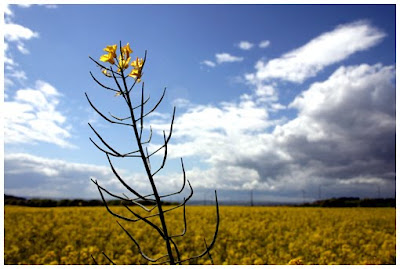
Rapeseed oil is what Canola oil is. Canola oil actually means CANadian Oil, Low Acid. Its totally understandable because, lets face it "rapeseed oil" is a marketing nightmare.
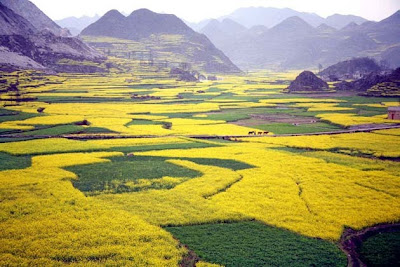
In fact when I was googling to find a picture of the plant most pictures called these flowers rapeseed blossoms instead of what they are, rapes. Just fields and fields of rape.
Available link for download
Saturday, March 4, 2017
Almost Made It
Almost Made It

Damn. This cup survived the trip from New York to San Francisco to Honolulu. And then as Im looking for something in my suitcase I set a bag down too hard and I heard the ominous "clink."
Available link for download
Sunday, February 5, 2017
Angina What it is and How it differs from a Heart Attack
Angina What it is and How it differs from a Heart Attack
Angina, according to Merriam-Webster, is a heart disease that causes brief periods of intense chest pain.
The symptoms of angina as enumerated in A Year of Health Hints are:
- Squeezing pressure or heaviness or mild ache in the chest.
- A feeling that you’re choking or shortness of breath.
- A feeling of aching in the chest muscles, jaw, one or both arms, neck and/or back.
- A sensation of heaviness, tingling, or numbness (most commonly in the left arm).
- A feeling of gas in the upper abdomen and lower chest.
The following are the similarities between angina and a heart attack:
- Both can be caused by a build-up of fatty plaque (atherosclerosis) in the heart arteries, blocking or slowing delivery of blood to the heart.
- In both, the pain can be felt in the chest, arms, shoulders, and/or neck.
- Both may be brought on by extreme physical exertion.
- Both are most prevalent in men who are 50 and older and women who are past menopause.
But there is a key difference: A heart attack leaves damaged or injured heart muscle in its wake; angina does not. Rather, anginal pain is a warning sign of a potential heart attack. The discomfort indicates that the heart isn’t getting enough blood.
A doctor, the article continues, can diagnose angina as stable or unstable. Unstable angina, a symptom of coronary artery disease, requires immediate attention. High blood pressure, obesity, diabetes, high cholesterol, smoking, or a family history of atherosclerotic heart diseaseincrease the odds of angina.
If you’ve experienced angina, the following steps can head off further attacks:
- Consult your doctor or cardiologist. He or she will probably prescribe a medication to temporarily dilate, or widen, the coronary arteries.
- Don’t smoke. Nicotine in cigarettes constricts the arteries and prevents proper blood flow.
- Avoid large, heavy meals; eat lighter meals throughout the day.
- After eating, rest or engage in some quiet activity.
- Minimize exposure to cold, windy weather.
- Lower your cholesterol level, if high.
- Follow a low-fat, low-saturated fat diet.
- Take lipid-lowering medicines if prescribed.
- Avoid sudden physical exertion, such as running to catch a bus.”
Used with permission from A Year of Health Hints by Don R Powell, PHD and the American Institute for Preventive Medicine, copyright 2010. www.healthylife.com
Available link for download
Subscribe to:
Posts (Atom)